Skip permits and bulky rubbish fines Lambeth what to know
Posted on 30/07/2026

If you are planning a clear-out, renovation, or one of those "how did we end up with this much stuff?" weekends, the rules around skip permits and bulky rubbish fines in Lambeth can save you a lot of hassle. Miss a permit, put waste out wrong, or choose the wrong disposal method, and the result can be delay, extra cost, or a fine you really did not need.
This guide breaks the topic down in plain English. We'll look at when a skip permit may be needed, how bulky waste collection usually works, what can trigger penalties, and how to avoid the common mistakes that catch people out. If you want a broader view of local waste options first, it can also help to scan the services overview and the recycling and sustainability page before you decide what route makes sense.
Why Skip permits and bulky rubbish fines Lambeth what to know Matters
In Lambeth, waste disposal is not just a matter of "get rid of it somehow." The way you present waste, where you place a skip, and whether you use the council's bulky waste route or a private clearance service can all affect compliance. That matters because fines are rarely the only cost. There is also the cost of lost time, missed collection slots, a skip blocking access, or a neighbour complaining because the pavement has become an obstacle course.
Let's face it, most people do not wake up excited to read waste rules. But they do care when a skip is refused, when a sofa gets left outside too early, or when a booking turns into a messy back-and-forth. A little knowledge here tends to pay for itself. Especially in busy parts of Lambeth, where parking, access, and narrow roads can make waste removal more complicated than it looks from the kerb.
There's also the reputational side. If you are a landlord, managing agent, builder, or business owner, a waste mistake can become a complaint faster than you'd expect. A tidy, compliant process protects your property, your neighbours, and your budget. If you manage property locally, the context from the Lambeth property market guide and the resident's perspective on living in Lambeth can be useful background too.
How Skip permits and bulky rubbish fines Lambeth what to know Works
There are really two separate issues here: skip permits and bulky rubbish enforcement. They overlap in practice because both involve placing waste out in public or semi-public spaces and both can go wrong if you assume "someone will sort it out."
Skip permits in plain English
A skip permit is generally required when a skip is placed on public highway land such as a road, pavement, or verge. If it sits entirely on private land, a permit may not be needed, but access, visibility, and safety still matter. The permit is about permission to occupy part of the public space for a limited time. No permit, no lawful placement. Simple in theory, slightly less simple on a rainy Monday morning when the street is already tight.
In practice, permit arrangements can involve time limits, positioning rules, and conditions about lighting or road markings. The exact process can vary depending on the street and local circumstances, so checking before delivery is the sensible move. If you are considering a skip, the dedicated skip hire in Lambeth page is a useful place to start.
Bulky rubbish fines: what triggers them
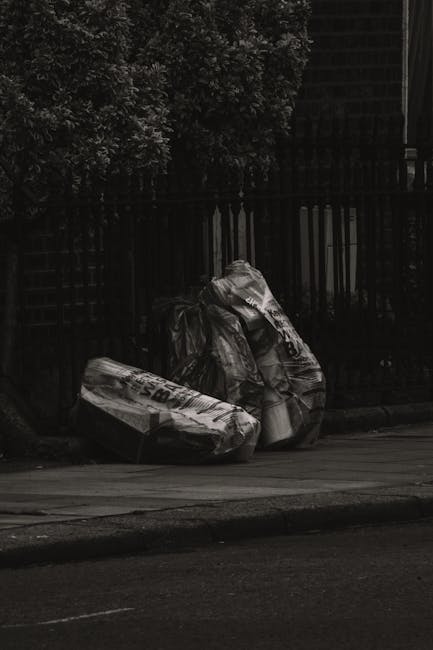
Bulky rubbish fines usually come into play when waste is dumped, left out incorrectly, fly-tipped, or placed for collection in a way that breaches local rules. It might be a mattress left on the pavement too early, a fridge abandoned outside a building without arrangement, or a pile of bags that looks like someone hoped for the best and walked away. Not ideal.
Bulky waste is not always the same as general rubbish. Large household items, furniture, appliances, and mixed clear-out waste may need a specific collection route, an approved carrier, or a booked council service. If you want a straightforward breakdown of the local collection side, the article on Lambeth Council rules for bulky waste collection is worth reading alongside this guide.
Key Benefits and Practical Advantages
Following the right process is not just about avoiding penalties. There are some real practical upsides.
- Less risk of delay: Proper permits and correct booking reduce the chance of a last-minute refusal or collection problem.
- Lower total cost: Paying for the right service once is usually cheaper than paying for a failed delivery, rebooking, or enforcement action.
- Cleaner site management: This matters on building jobs, refurbishments, move-outs, and house clearances.
- Better neighbour relations: Nobody loves seeing waste blocking shared access for days on end.
- Improved safety: Keeping waste controlled reduces trip hazards, access issues, and the kind of clutter that causes problems at dusk when visibility drops.
There's also something reassuring about having a plan. You know where the waste is going. You know who is handling it. And you are not relying on a hopeful guess to sort it. That calm, organised approach is one of the hidden benefits people often overlook.
Who This Is For and When It Makes Sense
This topic matters to a surprisingly wide group of people. If any of the situations below sound familiar, you are in the right place.
- Homeowners clearing old furniture, garden waste, or renovation debris.
- Renters moving out and trying to dispose of bulky items without upsetting the landlord or neighbours.
- Landlords and letting agents dealing with end-of-tenancy clear-outs.
- Builders and tradespeople working on domestic or commercial projects.
- Office managers replacing desks, chairs, screens, and mixed office waste.
- Anyone with limited access who cannot easily move items to a driveway or private yard.
If access is awkward, the risk of cost creep is real. A parked car, a narrow staircase, or a shared entrance can all change the job significantly. There's a practical local example in the article on access problems and higher rubbish clearance costs in Lambeth. Small access issues. Big difference, sometimes.
For larger projects, it can also help to compare skip hire with alternative clearance options. That is especially true if the waste includes mixed items, awkward furniture, or materials that are better handled directly by a collection team rather than left in a static container for several days.
Step-by-Step Guidance
If you want a clean, low-stress process, follow this sequence. It sounds basic, but it saves a lot of backtracking.
- Identify the waste type. Separate general household rubbish, bulky items, builders' waste, green waste, and anything hazardous. Do not mix categories blindly.
- Decide where the waste will sit. If it needs to go on a public road or pavement, ask whether a skip permit is needed. If everything stays on private property, that changes things.
- Check access carefully. Measure gates, doorways, stairwells, parking space, and turning room. This is boring, yes, but very useful.
- Choose the right service. A skip is not always the best option. For bulky items or same-day needs, a removal team may be cleaner and faster.
- Confirm collection timing. Do not leave waste out earlier than allowed. A few hours can matter.
- Keep documentation. Save booking details, photos, and any permit or confirmation records in case there is a dispute later.
- Make sure items are presented correctly. Clear paths, separate prohibited items, and avoid overfilling containers.
A small tip from experience: take photos before and after. Not glamorous, but if anyone questions what was removed or how the waste was presented, you'll be glad you did.
Expert Tips for Better Results
Here are a few practical things that make the whole process smoother.
1) Choose the method that matches the job
A half-full skip is often the wrong answer for a small flat clear-out. Likewise, a single van load is not enough for a major renovation. The best choice is the one that fits the volume, access, and urgency of the waste.
2) Think about the route in and out
People often focus on the pile of waste and forget the journey. Will the team need to carry items down two flights of stairs? Is the lift too small? Is there a timed parking restriction right outside? These things affect cost and timing more than people expect.
3) Keep recyclable materials separate where possible
Separation is not just good housekeeping. It can make disposal cleaner and easier to manage. If sustainability matters to you, the recycling and sustainability page offers a helpful perspective on keeping waste handling more responsible.
4) Avoid last-minute booking pressure
Emergency jobs happen, of course. But whenever possible, book before the waste pile becomes a problem. Same-day arrangements can work, yet they are more vulnerable to delays if access is awkward or the item list changes at the last minute. The article on how to avoid emergency rubbish removal delays covers that pressure point nicely.
5) Ask the awkward question early
Yes, the one you'd rather not ask. "Will this need a permit?" or "Can you take these bulky items if they're upstairs?" Better to sound cautious for thirty seconds than to deal with a failed collection later. Truth be told, the awkward question is usually the cheapest question.

Common Mistakes to Avoid
The same mistakes come up again and again. Some are minor. Some are expensive.
- Assuming a skip can go anywhere. If it touches the public highway, do not assume permission is automatic.
- Leaving bulky rubbish out early. Timing rules matter, especially where shared streets or blocks of flats are involved.
- Mixing restricted items with general waste. This can create extra handling or refusal issues.
- Underestimating access problems. That big wardrobe is not going to shrink on the staircase.
- Overfilling a skip or piling waste around it. Unsafe, messy, and often non-compliant.
- Booking without checking parking or loading space. The truck needs somewhere sensible to stop.
- Using vague job descriptions. "A few bits and pieces" is not always enough information. Be specific.
One of the most common booking mistakes is to focus only on price and forget the practical details. That can be a false economy. For a fuller view of what tends to go wrong, the post on common booking mistakes for Lambeth waste removal services is genuinely useful.
Tools, Resources and Recommendations
You do not need a toolkit the size of a builder's van, but a few simple things help.
- Measuring tape: Useful for gates, stairwells, and access points.
- Phone camera: Take clear photos of waste, access points, and any tight spaces before the job.
- Simple item list: Write down what needs removing. It keeps estimates more accurate.
- Basic gloves and sturdy shoes: If you are moving items yourself, safety first.
- Booking notes: Keep the date, time, and any special instructions in one place.
For readers comparing services, the pricing and quotes page is a sensible next stop. It helps you think through what affects cost without guessing. If you are weighing different removal approaches, the rubbish collection in Lambeth option can also be a practical alternative to a skip, especially where access is tight or the waste is ready to move immediately.
If you need broader support across mixed clear-outs, it may also help to look at rubbish clearance in Lambeth, furniture disposal, or house clearance. Different jobs, different tools. Fairly obvious, but easy to forget when the room is full.
Law, Compliance, Standards, or Best Practice
Waste handling in the UK sits inside a framework of local rules, duty-of-care expectations, and safe-working practice. You do not need to be a compliance expert to stay on the right side of it, but you do need to take it seriously.
In plain terms, best practice means this:
- Do not place a skip on public land without the correct permission.
- Do not leave bulky items out in a way that causes obstruction or invites misuse.
- Use a waste route that is suitable for the material type and volume.
- Keep records if the job involves a contractor, permit, or multi-step collection.
- Be careful with items that may need special handling, including anything sharp, heavy, or potentially hazardous.
There is also a practical duty to protect people around the waste. That includes pedestrians, neighbours, and workers. If a skip blocks sightlines, or if a furniture pile creates a trip hazard, the risk is no longer just administrative. It becomes a safety issue.
For customers who want an extra layer of reassurance, the insurance and safety page is worth reviewing. It helps set expectations about careful handling, while the terms and conditions page clarifies the boundaries of service. Not thrilling reading, granted, but useful.
Options, Methods, or Comparison Table
Choosing between a skip, bulky waste collection, or a direct clearance service comes down to what you are moving and where it is sitting. Here's a simple comparison.
| Option | Best for | Potential downside | Good to know |
|---|---|---|---|
| Skip hire | Longer jobs, mixed waste, renovation debris | May need a permit on public land; can take space for longer | Works well if you have room and know your waste volume |
| Bulky waste collection | Large household items, furniture, single-room clear-outs | Timing and presentation rules can be strict | Good when you want items removed without storing a skip |
| Full rubbish clearance | Mixed items, urgent jobs, awkward access, quick turnaround | May require accurate item descriptions and access details | Often more flexible for flats, basement rooms, and tight streets |
If you are still unsure, think about the most annoying part of the job. Is it the volume, the access, the time pressure, or the type of item? That usually points you to the right method pretty quickly.
Case Study or Real-World Example
Picture a typical Lambeth flat clear-out. A couple are moving out after a long tenancy, and they have a sofa, two broken wardrobes, an old mattress, and random bags of household bits. The first instinct is to get a skip because it sounds convenient. But the street is narrow, parking is tight, and there is no private driveway.
After a quick reality check, they decide a direct collection makes more sense. The bulky items are removed in one visit, the access is managed carefully, and nothing sits on the street overnight. The result? Less clutter, less neighbour irritation, and no worrying about whether a permit was required for a roadside skip. Small decision, big relief.
That kind of scenario comes up all the time. Another common one is a builder finishing a modest bathroom renovation. The waste volume is not massive, but the material is mixed and the job needs clearing fast. In that case, a dedicated builder-focused option such as builders' waste clearance in Lambeth can be more practical than trying to force the job into a one-size-fits-all solution.
And if the issue is more about moving a lot of mixed household items during a life transition, the loft clearance, garage clearance, or even junk removal pages may give you a clearer sense of what a full-service approach looks like.
Practical Checklist
Use this before you book anything. It takes five minutes and can save a lot more than that.
- Have I identified exactly what needs removing?
- Will anything sit on a public road, pavement, or verge?
- Do I need a skip permit?
- Have I checked access, parking, and turning space?
- Are any items bulky, heavy, sharp, or awkwardly shaped?
- Have I separated anything that needs special handling?
- Do I know whether a skip, bulky collection, or direct clearance is the better fit?
- Have I confirmed collection timing and presentation requirements?
- Do I have photos and notes in case I need them later?
- Have I reviewed the likely cost factors, not just the headline price?
If the answer to three or more of those is "not yet," pause before booking. That pause is usually worth it.
Get a free quote today and see how much you can save.
Conclusion
The main thing to remember about skip permits and bulky rubbish fines in Lambeth is this: a little planning goes a very long way. Check whether waste will touch public land, choose the right disposal route for the job, and be honest about access, timing, and item type. That combination keeps you safer, calmer, and far less likely to end up with a fine or a failed collection.
There is no need to overcomplicate it. If your clear-out is simple, keep it simple. If it is awkward, treat it as awkward from the start. That one shift in mindset usually sorts half the problem before it begins. And if you need help making the right call, there is nothing wrong with asking for guidance early.
In a busy borough, the best waste job is the one nobody has to think about twice.


 Tipper Van - Rubbish Removal and Rubbish Disposa Prices in Lambeth, SW9
 Luton Van - Rubbish Removal and Rubbish Disposa Prices in Lambeth, SW9