Licensed waste disposal standards for Lambeth tradespeople
Posted on 17/08/2026
Licensed Waste Disposal Standards for Lambeth Tradespeople
If you work as a builder, plumber, carpenter, decorator, electrician, or general contractor in Lambeth, waste is part of the job whether you like it or not. Dust sheets go down, walls come out, old units get stripped, and suddenly there's a pile of rubble, timber, plasterboard, packaging, and mixed junk at your feet. That's where licensed waste disposal standards for Lambeth tradespeople come in. They are the difference between a tidy, compliant project and a headache involving fly-tipping risks, awkward client complaints, and avoidable delays.
In plain English, these standards are about using the right people, the right paperwork, and the right disposal route for the waste you create on site. Sounds simple. In practice, it can get messy quite quickly, especially on tight London streets, shared accessways, and busy refurb jobs where nobody has time to stand around wondering who took the old bath out back. This guide walks through what the standards mean, how they work, what tradespeople should check, and how to keep things efficient without cutting corners.
We'll also look at common mistakes, practical compliance habits, and when it makes sense to bring in a specialist clearance team rather than trying to manage everything yourself. If you're also planning wider project work, you may find it useful to skim the site's services overview and insurance and safety information as part of your due diligence.
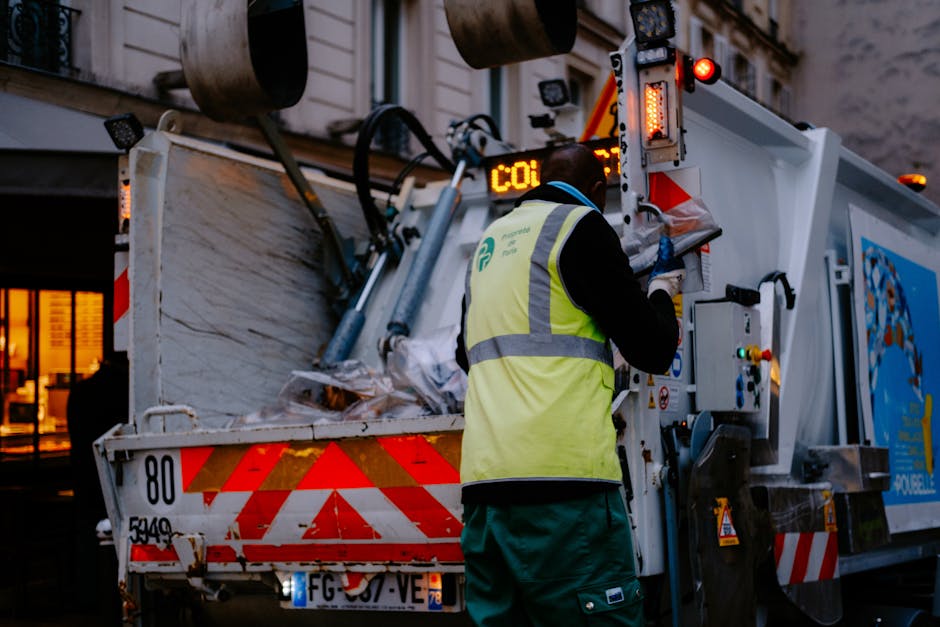
Why Licensed Waste Disposal Standards for Lambeth Tradespeople Matters
Waste compliance is not just a box-ticking exercise. For Lambeth tradespeople, it affects cost, reputation, site safety, client trust, and sometimes project timing. One missed step can create a chain reaction: waste blocks access, the client gets frustrated, a neighbour complains, and suddenly what should have been a neat half-day strip-out becomes a messy follow-up job. Let's face it, nobody wants that.
The main reason these standards matter is responsibility. If you produce waste on a trade job, you are usually responsible for making sure it is handled properly until it reaches a lawful destination. Handing it to the wrong operator, or failing to check what happens next, can leave you exposed if the waste is dumped somewhere it shouldn't be. That's true whether you're replacing a kitchen in Stockwell, clearing a loft in Brixton, or taking out garden debris after landscaping work.
There's also a practical point that tradespeople notice very quickly: compliant disposal tends to keep jobs moving. A well-planned waste route means less clutter on site, fewer trip hazards, cleaner client handovers, and less time spent re-handling material. In a tight terraced street on a wet morning, that matters. Mud on boots, sacks in a hallway, one van double-parked outside - the whole thing can spiral if waste management isn't thought through from the start.
For Lambeth specifically, access can be tricky. Narrow roads, flats with shared entrances, and time-sensitive jobs all make waste handling a live issue rather than an afterthought. If you've ever dealt with awkward loading conditions, the site's piece on access problems and higher clearance costs in Lambeth is a helpful reminder of how quickly simple logistics can get expensive.
Expert takeaway: the best waste disposal systems for trades are not the flashiest ones; they're the ones that keep the site clear, the paperwork tidy, and the client comfortable from start to finish.
How Licensed Waste Disposal Standards for Lambeth Tradespeople Works
At a practical level, licensed waste disposal means the person or business collecting your trade waste should be properly authorised to carry, transfer, and dispose of it. For most tradespeople, that involves checking that the collector is legitimate, that waste is described accurately, and that a record is kept of what left site and where it went. You do not need to become a lawyer overnight, thankfully, but you do need a basic system.
The process usually starts before the waste is even removed. You identify the waste stream: rubble, wood, metal, plasterboard, insulation, green waste, old fittings, packaging, or mixed construction waste. Then you decide whether it can be separated on site. Segregation is not just tidy; it can improve recycling outcomes and reduce the risk of contamination. It also helps when the job includes specialist items, because not everything can be tossed in one mixed pile and forgotten about.
Next comes the collection and transfer stage. The operator should load the waste safely, transport it lawfully, and dispose of it at an authorised facility. For trade jobs in Lambeth, this is often where shortcuts show up. A cheap quote might look appealing until you realise there's no clear documentation, no explanation of the disposal route, and no confidence about how the waste will be treated. That's the wrong kind of saving.
Paperwork matters too. In normal UK practice, tradespeople should expect a waste transfer note or similar record for non-household waste movements. The exact format depends on the arrangement and waste type, but the principle is simple: know what was removed, from where, by whom, and when. If your job regularly includes bulky items, mixed clearances, or repeated runs, the site's practical pages such as builders' waste clearance in Lambeth and rubbish clearance in Lambeth can help frame the kind of service model that fits trade work.
One thing worth saying clearly: licensed does not automatically mean eco-friendly, and eco-friendly does not automatically mean compliant. You need both. A proper operator should be able to explain how loads are handled, whether recyclable materials are separated, and how they reduce landfill where possible. The site's recycling and sustainability approach is a sensible place to see how that philosophy can be put into practice.
Key Benefits and Practical Advantages
Following licensed waste disposal standards is not just about avoiding trouble. Done well, it makes a tradesperson's working life smoother. The benefits are immediate, and on busy jobs you'll feel them almost at once.
- Cleaner sites: Less clutter means better access, fewer slips and trips, and quicker movement around the job.
- Fewer disputes: Clients like a tidy finish. Neighbours like less mess. You like fewer phone calls.
- Better time control: Waste removed on schedule means fewer delays at the end of the day.
- Stronger reputation: Professional waste handling signals a professional trade service.
- Reduced compliance risk: Records and proper carriers reduce the chance of being blamed for bad disposal.
- Better recycling outcomes: Segregated loads are often easier to sort and recover responsibly.
There's also a financial upside, even though people sometimes overlook it. While a lawful waste route may not always be the very cheapest line item on a quote, it can prevent the hidden costs that creep in later: wasted labour, re-visits, client dissatisfaction, and the sort of fine or dispute that nobody wants to explain over a cup of builder's tea.
Tradespeople working across Lambeth also benefit from having a standard approach they can repeat. If you already know how your waste will be handled on a kitchen refit in Kennington, a loft clear-out in Clapham, or a shop fit-out near busy high streets, you save mental energy. And to be honest, trade work already takes enough brainpower without reinventing the rubbish process every morning.
If your jobs often overlap with domestic clearances, it may help to compare your needs with the broader waste removal options in Lambeth or junk removal support when you need quick, flexible collection.
Who This Is For and When It Makes Sense
Licensed waste disposal standards are relevant to almost any trade that creates waste on site. Some businesses need them daily; others need them only on certain projects. The key is knowing when a simple clear-out becomes a compliance-sensitive disposal job.
This guide is especially useful for:
- builders and general contractors
- kitchen and bathroom fitters
- carpenters and joiners
- plumbers and heating engineers
- electricians
- decorators and refurb teams
- landscapers and garden maintenance crews
- lettings maintenance teams
- small renovation firms handling mixed waste
It makes sense whenever your work generates material that cannot just sit in a client's bin or be taken away casually in an unrecorded load. That includes strip-out waste, broken fixtures, flooring, packaging, soil, branches, old furniture, or office contents from commercial refurb jobs. If you are clearing a commercial unit, the need for a reliable, lawful process becomes even more obvious. The site's office clearance service is a useful reference point for those more business-focused jobs.
It also matters when you're under time pressure. Same-day jobs, emergency callouts, and tenant turnover deadlines can tempt people into rushing decisions. That's exactly when compliance slips happen. The page on avoiding emergency rubbish removal delays is a good reminder that planning even a little can save a lot of stress later on.
And yes, sometimes you can manage lighter waste yourself. But if the load is mixed, heavy, awkward, or produced in volume, a more structured disposal approach is usually the smarter choice. Less faff, fewer surprises.
Step-by-Step Guidance
If you want a reliable process for licensed trade waste disposal in Lambeth, keep it simple and repeatable. Here's a practical way to do it.
- Identify the waste before the job starts. Walk the site mentally. What will come out? Rubble, timber, old appliances, plasterboard, packaging, soil, metal?
- Separate waste streams where possible. Even basic separation can help compliance and recycling. Don't mix everything by default.
- Confirm who is collecting it. Make sure the collector is suitable for the type and volume of waste you produce.
- Ask how the waste will be handled. You're looking for a clear route, not vague reassurance and a shrug.
- Keep written records. Note the job address, waste type, date, and collection arrangement. Good records save time if anything is queried later.
- Load safely. Use the right manual handling methods, bags, trolleys, and protective equipment.
- Check the handover. Make sure waste is actually removed and the site is left clear enough for the next phase of work.
- Review the job afterward. Ask what slowed things down. Access? Sorting? Weight? Parking? Every job can improve the next one.
That process sounds basic, but it works. In our experience, the tradespeople who do this well are not always the biggest teams. They're the ones who treat waste like part of the job, not an annoying leftover.
If access is part of the challenge - and in Lambeth it often is - then planning your route and collection method is just as important as the disposal itself. For jobs where awkward access affects timing or cost, the article on common booking mistakes for Lambeth waste removal is worth reading before you schedule your next run.
Expert Tips for Better Results
Small improvements in waste handling can make a big difference over a week, a month, or a whole run of contracts. These are the habits that usually separate the smooth operators from the constantly firefighting ones.
- Book waste removal early in the project. Don't leave it until the last plasterboard sheet is already leaning in the hallway.
- Photograph waste loads before collection. It helps with job records and client reporting.
- Keep a "special waste" habit. If something looks unusual, heavy, sharp, dusty, or potentially hazardous, pause and identify it properly.
- Use one point of responsibility. If several people can call collections, things get muddled fast.
- Match the vehicle to the site. A big van is no use if it can't reach the property without blocking the whole street.
- Think about noise and timing. Early morning loading in a quiet terrace? Best to keep it discreet. Neighbours do notice.
One underrated tip: set expectations with the client. A quick, plain-English explanation of how waste will be removed can prevent misunderstandings. It is a small thing, but it builds confidence. And confidence is half the battle in trades work.
If you're still comparing approaches, the site's pricing and quotes information can help you think about value in a more structured way, rather than just chasing the lowest number.

Common Mistakes to Avoid
Most waste problems are not dramatic disasters. They are small mistakes repeated often. The trouble is that small mistakes can still cost money. Here are the ones to watch for.
- Assuming any collector is fine. "He said he could take it" is not a compliance strategy.
- Mixing all materials together. This can make recycling harder and increase disposal costs.
- Ignoring paperwork. If you cannot show what happened to the waste, you have a weak position.
- Underestimating access issues. Narrow stairs, parking pressure, and shared entrances can change the whole plan.
- Leaving waste on site too long. It looks messy, slows work, and increases the chance of complaints.
- Using the wrong container or vehicle. Oversized loads and poor loading practices are a false economy.
- Forgetting about special items. Some items need extra care, and guessing is a bad idea.
One mistake we see quite a lot is the "I'll sort it tomorrow" approach. Tomorrow becomes Friday, Friday becomes next week, and by then the job is slower, dustier, and more awkward than it needed to be. Not ideal.
There's also a local angle here. Lambeth jobs often involve busy roads, shared access, and strict timing. If you're planning a skip or bulky removal method, it's smart to understand permit and fine risks too. The article on skip permits and bulky rubbish fines in Lambeth is a useful companion read.
Tools, Resources and Recommendations
You do not need a warehouse full of gear to handle trade waste properly. A few practical tools and routines go a long way.
- Heavy-duty rubble bags: useful for broken plaster, tile, and smaller mixed loads.
- Wheelbarrows or sack trucks: help move waste safely through tight access points.
- Protective gloves and footwear: basic, but non-negotiable on rough loads.
- Dust sheets and floor protection: keep the client property cleaner and protect your own working area.
- Simple job logs: a notebook, spreadsheet, or job sheet that records what was removed and when.
- Clear vehicle space management: don't let tools, waste, and clean stock all pile into the same van space without a plan.
On the process side, the most useful resource is usually a dependable service partner who understands local working patterns. Tradespeople often do better when they have one or two trusted disposal routes rather than shopping around in a rush every time. If you want a quick service snapshot, the main rubbish collection option in Lambeth can be a good starting point for fast-turnaround jobs, while furniture disposal support is handy when strip-outs include bulky items.
For trade teams with a lot of recurring waste, it may also help to keep an eye on broader operational pages like the site's about us information and terms and conditions, especially if you're assessing reliability and service expectations before you book.
Law, Compliance, Standards, or Best Practice
This is the part many people try to glide past. Fair enough, nobody loves compliance paperwork. But for trade waste, the basic legal and best-practice principles are important and fairly straightforward.
In the UK, businesses that produce waste have a duty to ensure it is handled correctly. That generally means choosing a lawful carrier, describing the waste accurately, keeping the right records, and making sure the waste is passed to an authorised destination. The exact details vary by material and job type, so it is wise to be careful rather than casual.
For Lambeth tradespeople, the practical standard is simple: if waste leaves your job, you should be able to explain who took it, what it was, and how it was managed. If someone asks months later, your records should still make sense. Not glamorous, but very useful.
Best practice also means considering environmental performance. Segregation, reuse where possible, and proper recycling routes are not just nice-to-haves. They often improve efficiency and reduce friction with clients who care about sustainability. On commercial jobs, that matters even more because clients increasingly expect a more thoughtful approach.
Another point worth mentioning is safety. Waste handling is physical work. Heavy loads, sharp edges, dust, and awkward stairs create real risks. If your team is moving large or difficult items, a proper manual handling process and good site discipline are essential. The site's insurance and safety guidance is relevant here because compliance is not just about the law; it is about protecting people.
And if your work includes items that may cross into special handling territory, do not guess. Check the waste type, slow down, and choose the right route. Simple advice, yes, but it saves trouble.
Options, Methods, or Comparison Table
There is no single "best" waste method for every Lambeth trade job. The right choice depends on volume, timing, access, and the type of waste. Here's a simple comparison to help you decide.
| Method | Best for | Pros | Watch-outs |
|---|---|---|---|
| On-site segregation | Refurbs, repeat trade work, recyclable loads | Cleaner recycling, easier loading, better site control | Needs space and discipline |
| Man-and-van collection | Small to medium mixed loads | Flexible, quick, less site disruption | Must still be properly licensed and documented |
| Skip hire | Larger ongoing projects | Good capacity, convenient for phased work | May need permits and careful planning |
| Dedicated clearance team | Time-sensitive or bulky jobs | Fast removal, less labour on your side | Check access needs and service terms carefully |
For many tradespeople, the sweet spot is a hybrid approach. Keep recyclable material separated where possible, then use a professional clearance method for the heavier or bulkier remainder. That tends to be the least stressful route, especially when the site is tight or the schedule is aggressive.
If you regularly work on larger renovation jobs, you may also want to compare this with skip hire in Lambeth or a dedicated builders' waste clearance service. Different jobs, different rhythm. No need to force one model onto everything.
Case Study or Real-World Example
Picture a small Lambeth refurbishment job on a Victorian terrace. The team is replacing a kitchen, lifting old flooring, and removing some damaged cabinetry. Nothing outrageous, but enough material to create a real mess by day two. The first instinct is to stack everything near the front door and sort it out later. That works for about 20 minutes.
Instead, the foreman sets a basic system. Timber goes in one pile, old fixtures in another, rubble in sacks, and packaging is flattened separately. A collection is arranged for the end of the day, with clear notes on what is leaving the property. The load is removed in one go, the hallway stays usable, and the client doesn't have to step over broken tile and cardboard every time they go to the kitchen for a tea break.
That sounds modest, and it is. But it changes the whole feel of the job. There is less re-handling, less dust spreading from room to room, and less risk of the client feeling like the house has been taken over by the works. In practical terms, that is what good licensed waste disposal standards do: they turn waste from a problem into a controlled part of the workflow.
Now imagine the opposite. No clear collection plan, a few mystery bags, a late evening scramble, and a van that cannot quite take everything. The next morning the site looks tired, the client is irritated, and the team starts the day already behind. Been there? Most tradespeople have, at least once. It's rarely pretty.
Practical Checklist
Use this checklist before waste leaves any Lambeth trade site.
- Have I identified every waste type created on the job?
- Have I separated recyclable or reusable material where possible?
- Do I know who is collecting the waste?
- Have I checked that the collection method suits the access and volume?
- Is there a record of what is leaving site?
- Have I considered whether any item needs special handling?
- Are the load, route, and timing safe for the property and neighbours?
- Will the client understand what is happening and when?
- Have I kept the site clear enough to work safely?
- Do I know where to find the relevant terms, safety, and service information if needed later?
If you can answer yes to most of those, you are already in much better shape than many hurried job schedules. Small discipline, big difference.
Conclusion
Licensed waste disposal standards for Lambeth tradespeople are not just about avoiding penalties. They are about running a cleaner, safer, more reliable business. When you treat waste as part of the job rather than an afterthought, everything gets easier: handovers are smoother, clients feel better looked after, and your team spends less time dealing with avoidable mess.
The best approach is simple. Choose lawful collection, keep clear records, separate waste sensibly, and match the disposal method to the job. Do that consistently and you'll save time, reduce stress, and protect your reputation in a local market where professionalism is noticed very quickly. Honestly, it shows.
For more practical support across related waste and clearance tasks, explore the site's wider guidance on sustainability, safety, and services. And when you're ready to make the next job simpler, use the contact route that fits your schedule.
Get a free quote today and see how much you can save.


 Tipper Van - Rubbish Removal and Rubbish Disposa Prices in Lambeth, SW9
 Luton Van - Rubbish Removal and Rubbish Disposa Prices in Lambeth, SW9